
When people travel, need has a way of forcing itself into view.
In many parts of the world, poverty and hardship are impossible to ignore. They appear in crowded streets, informal housing, children working instead of attending school, and people living their daily lives in plain sight. The experience can be jarring. It strips away distance and abstraction. It feels immediate and personal, and it often triggers a genuine desire to help.
That response is natural — and admirable.
But there is an uncomfortable truth that rarely gets examined: when we return home, much of that same need becomes invisible.
Distance Sharpens Our Vision
When hardship confronts us while travelling, it is new and unfamiliar. We are not accustomed to it. We have no routines built around it. We haven’t learned how to step past it without noticing. Because it is different, it commands our attention.
At home, the opposite is true.
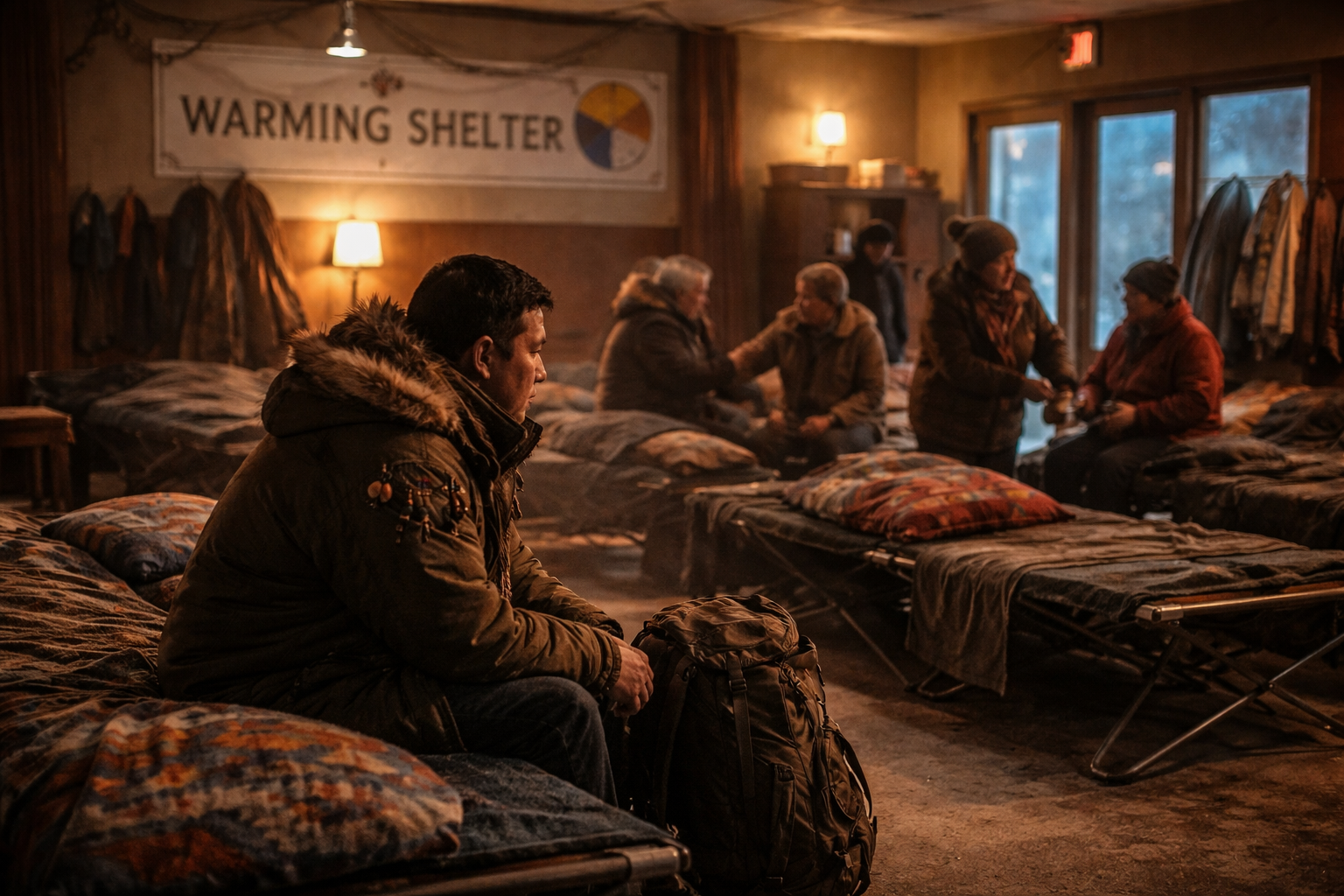
Need exists all around us — poverty, addictions, mental illness, family violence, housing insecurity, food scarcity, social isolation — but it is often hidden behind closed doors, spread across vast geography, or woven into systems we no longer question. Familiarity dulls our perception. Over time, we stop seeing what is right in front of us.
The Comfort of Helping Far Away
Helping abroad can feel simpler.
The problems appear clearer. The stories feel more straightforward. The solutions — donations, supplies, short-term aid — feel tangible. There is less history, less complexity, and fewer uncomfortable conversations about responsibility or long-term change.
Closer to home, needs are more complicated. They are entangled with policy, history, trauma, and inequality. They challenge assumptions. They demand patience rather than gestures. Engagement rather than distance.
It is not that people care less at home — it is that caring locally often asks more of us.
Needs Are Not Always Obvious
In our own communities, hardship doesn’t always announce itself. It shows up quietly:
• in addiction that is hidden or stigmatized
• in violence that never reaches public view
• in families choosing between food and rent
• in communities living with generations of underinvestment and trauma
Because these realities do not always confront us directly, it becomes easier — unconsciously — to look past them.
Compassion Should Not Require a Passport
This is not an argument against helping elsewhere. Global need is real, and compassion should never be confined by borders.
But it is worth asking whether we apply the same clarity of vision to the places we live. The same urgency. The same willingness to learn and engage.
Meaningful commitment does not depend on distance. In many cases, the greatest impact comes where we can stay involved, build relationships, and support long-term solutions.
Learning to See Again
Perhaps the real challenge is not deciding where to help, but learning how to see.
To look more carefully at our own communities.
To listen more closely.
To recognize that need at home may be quieter, more complex, and easier to ignore — but no less deserving of attention.
When compassion becomes a habit rather than a reaction to travel, it stops being occasional and starts becoming part of how we live.
And often, the work that matters most begins much closer than we think.